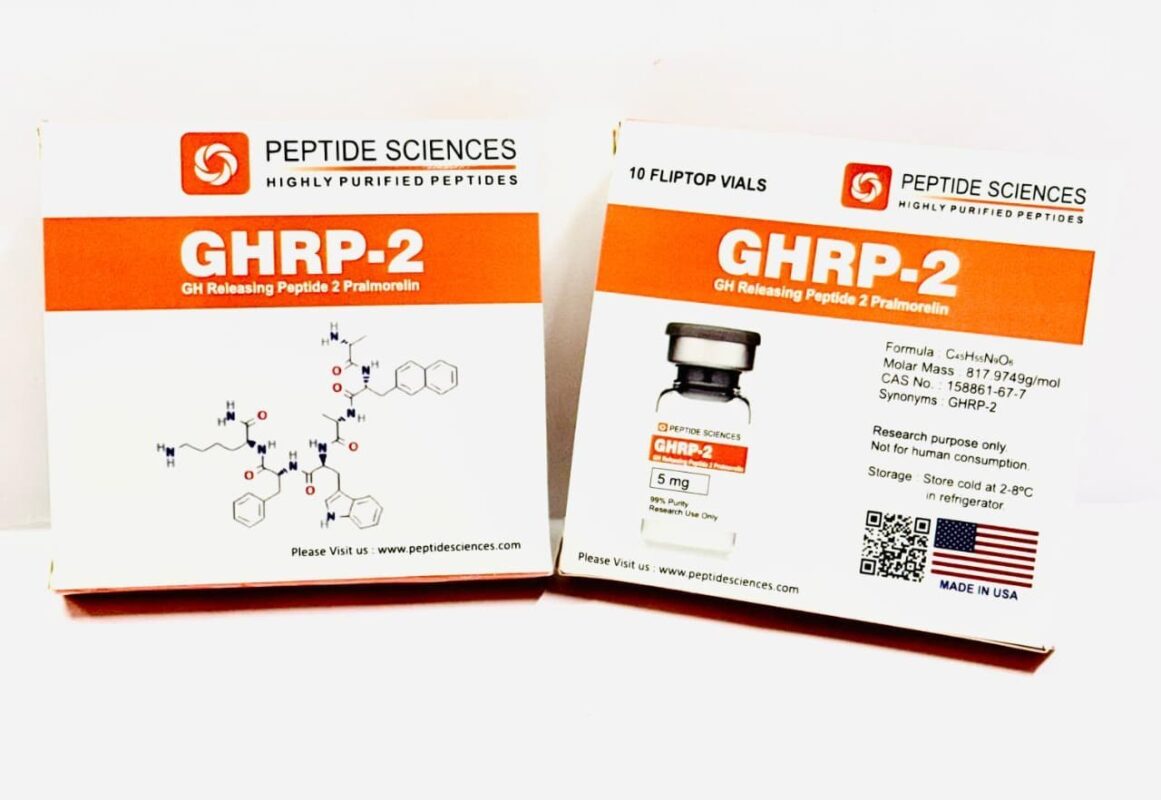
In recent years, the healthcare and wellness industry has seen rapid growth in interest around Growth Hormone Releasing Peptides (GHRPs). These peptides are part of a modern approach to hormone research and regenerative medicine, attracting attention from scientists, clinicians, athletes, and wellness enthusiasts.
GHRPs are synthetic peptides designed to stimulate the pituitary gland to release human growth hormone (HGH). Instead of supplying synthetic HGH directly, these peptides encourage the body to produce its own growth hormone through natural biological signaling pathways.
Scientific studies indicate that GHRPs stimulate growth hormone secretion by binding to specific receptors and activating pathways linked to hormone release and cellular protection.
Because growth hormone is involved in muscle growth, metabolism, tissue repair, and energy regulation, peptides that support its production are being explored as part of advanced health and recovery strategies.
https://greenhealthypharma.com/product/ipamorelin-peptide-benefits/ What Are Growth Hormone Releasing Peptides (GHRPs)?
Growth Hormone Releasing Peptides are short chains of amino acids that act as growth hormone secretagogues, meaning they stimulate the release of growth hormone from the pituitary gland.
Common examples include:
GHRP-2
GHRP-6
Ipamorelin
Hexarelin
These peptides activate the ghrelin receptor, a key hormone signaling pathway responsible for stimulating HGH production.
Unlike synthetic hormone injections, GHRPs work with the body’s natural endocrine rhythm by triggering hormone release in pulses similar to natural growth hormone cycles.
Growth Hormone Releasing Peptides (GHRPs) represent a major development in the field of peptide therapy and hormone optimization. These compounds are designed to stimulate the body’s own production of human growth hormone, which plays a crucial role in maintaining metabolic balance, muscle development, and cellular regeneration.
Human growth hormone is produced by the anterior pituitary gland and released in pulses throughout the day, with the largest releases occurring during deep sleep cycles. As people age, the amplitude and frequency of these hormone pulses decline significantly, which can contribute to fatigue, reduced muscle mass, slower recovery, and metabolic changes.
GHRPs work by interacting with receptors that trigger the release of HGH. When these receptors are activated, the pituitary gland produces growth hormone in a pulsatile pattern similar to natural hormone rhythms. This mechanism helps maintain the body’s regulatory control while enhancing hormone signaling.
One of the primary reasons GHRPs are studied is their influence on muscle recovery and tissue repair. Growth hormone stimulates protein synthesis and reduces protein breakdown, which creates an environment favorable for muscle repair and growth. This process is particularly important for athletes and individuals involved in intense physical training.
Another major benefit associated with HGH activity is its effect on fat metabolism. Growth hormone stimulates lipolysis, the metabolic process through which stored fat is broken down and used as energy. This effect has led to increased interest in peptide therapy for body composition optimization.
Growth hormone also plays a role in maintaining bone density and connective tissue health. Collagen production and cartilage regeneration are influenced by HGH levels, meaning adequate hormone balance may help support joint health and skeletal strength.
Sleep quality is another area closely linked with growth hormone production. The body releases the largest amounts of HGH during deep sleep stages. When sleep patterns are disrupted, hormone production can decline, which may negatively affect recovery and energy levels. By stimulating HGH release, GHRPs may support improved sleep-related recovery processes.
Research also suggests that GHRPs may have broader biological effects. Some studies show that these peptides can activate cellular pathways that reduce inflammation, oxidative stress, and tissue damage in certain organs.
Because of these potential effects, GHRPs are being explored in several areas of medical research including:
Sports science
Metabolic health
Regenerative medicine
Anti-aging research
However, it is important to emphasize that peptide therapy should always be used under professional medical supervision. Proper dosing, quality control, and monitoring are essential to ensure safety and effectiveness.
While Growth Hormone Releasing Peptides are associated with hormone research and performance optimization, methadone treatment serves a completely different but equally important medical purpose.
Methadone is used in the treatment of https://www.google.com/opioid dependence as part of structured medication-assisted treatment programs. These programs are designed to help individuals stabilize their health and recover from opioid addiction.
In the United Kingdom, treatment programs are supervised by the National Health Service.
Methadone works by acting on the same receptors in the brain as other opioids but in a controlled and long-acting way. This helps reduce withdrawal symptoms and cravings while preventing the intense euphoric effects associated with other opioids.
Withdrawal symptoms can be one of the biggest barriers to recovery. Methadone helps stabilize the brain’s opioid receptors, reducing symptoms such as pain, anxiety, and insomnia.
By reducing cravings, methadone treatment allows patients to focus on therapy and rehabilitation rather than constantly battling withdrawal urges.
Recovery programs in the UK combine methadone treatment with:
Counseling
Behavioral therapy
Medical monitoring
Social support services
This integrated approach improves recovery outcomes and helps individuals rebuild their lives.
Studies consistently show that medically supervised treatment programs reduce overdose risk and improve long-term recovery success.
Organizations such as the World Health Organization recommend medication-assisted treatment as one of the most effective strategies for addressing opioid dependence.
To improve website ranking, connect this article with other pages on your site:
Internal links help search engines understand your website structure and improve SEO authority.
External Reference Links
For authoritative medical information:
Final Thoughts
Growth Hormone Releasing Peptides represent an exciting area of research in hormone optimization, metabolic health, and regenerative medicine. By stimulating natural HGH production, they may support muscle recovery, metabolic balance, and overall vitality.
At the same time, modern medicine provides effective treatment options for other major health challenges. Methadone treatment programs in the UK have helped thousands of individuals recover from opioid dependence and rebuild healthier lives.
Both therapies highlight an important principle of modern healthcare: safe, evidence-based treatments guided by medical professionals can dramatically improve health outcomes and quality of life.